

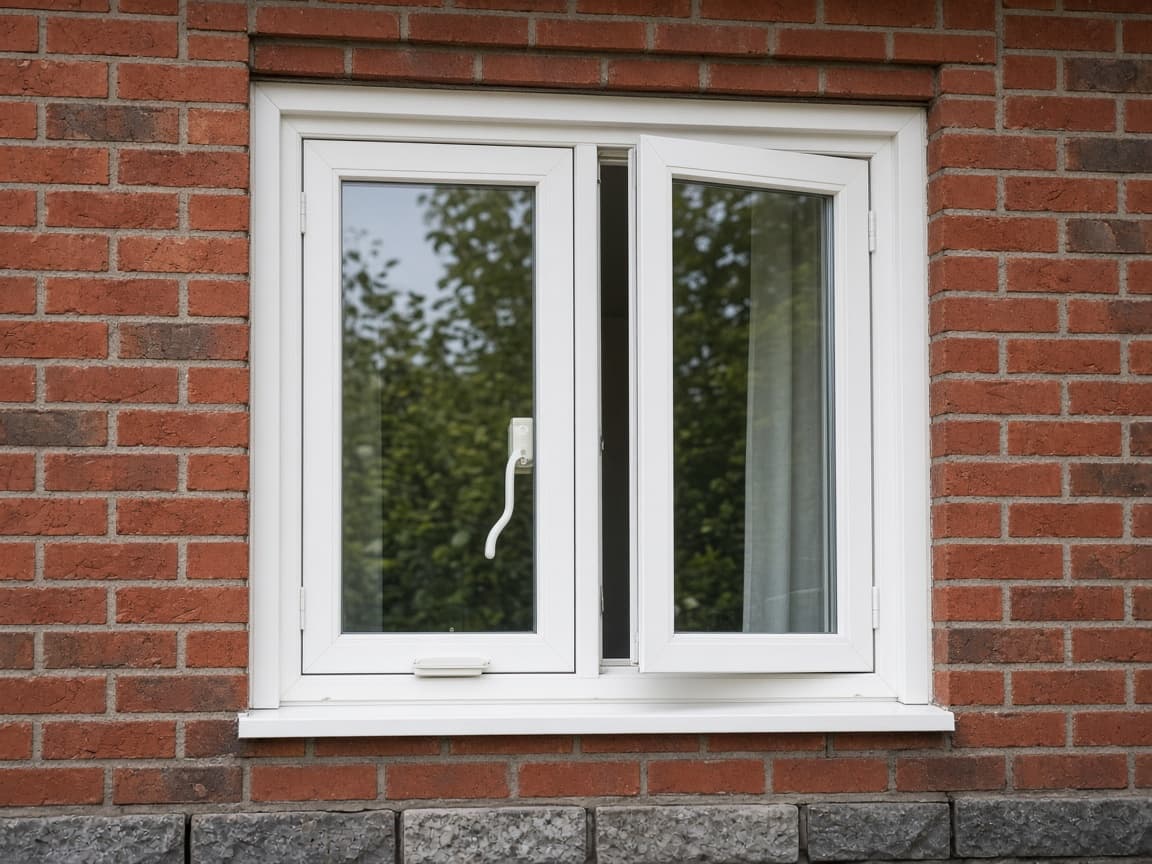
Casement
Casement
Cranks open on a side hinge and closes tight. A good everyday window for bedrooms and living rooms where you want airflow and a solid lock.
Window replacement
Fogged glass, a sash that drags, or a draft you can feel at the trim usually means the unit has failed, not that the room needs another space heater. We replace windows in houses across the Niagara Region and we start by looking at the frame, not just the glass.
You get a written scope before anything is ordered: the style, how it will be installed, and the glass. If an opening is better repaired than replaced, we say that too.
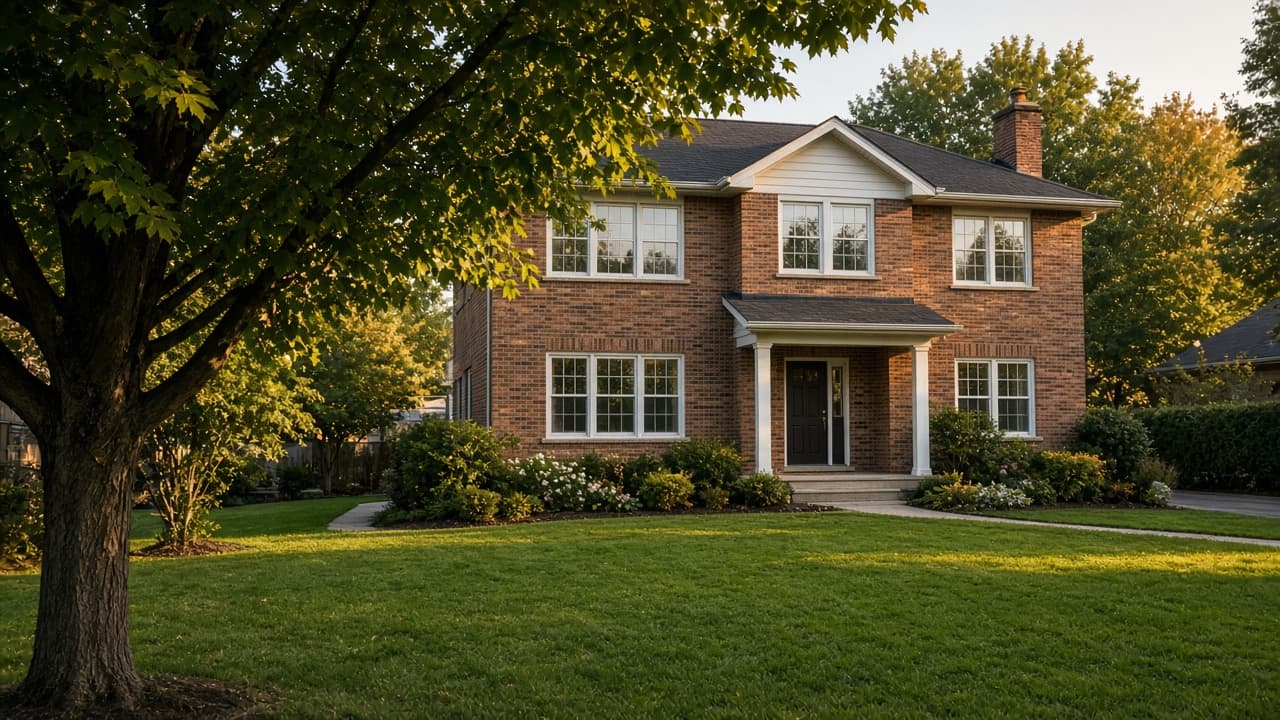
Windows • Niagara Region
Replacement windows on a Niagara house.
The house
Most calls start with one room that never feels right. The quote still covers the whole opening, because the glass is rarely the only thing that has worn out.
Cold air at the casing is often a failed seal or a frame that no longer sits square, not a curtain problem.
Moisture between the panes means the sealed unit is done. Wiping the inside of the glass will not clear it.
A tired single pane, or a dual pane that has lost its seal, lets street noise in. A new unit tightens that up.
Mismatched replacements, peeling frames, and windows that no longer match the house show from the sidewalk.
Styles
The right style depends on the room, how you open it, and what the house already looks like. These are the ones that come up on most Niagara replacements.
Casement
Cranks open on a side hinge and closes tight. A good everyday window for bedrooms and living rooms where you want airflow and a solid lock.
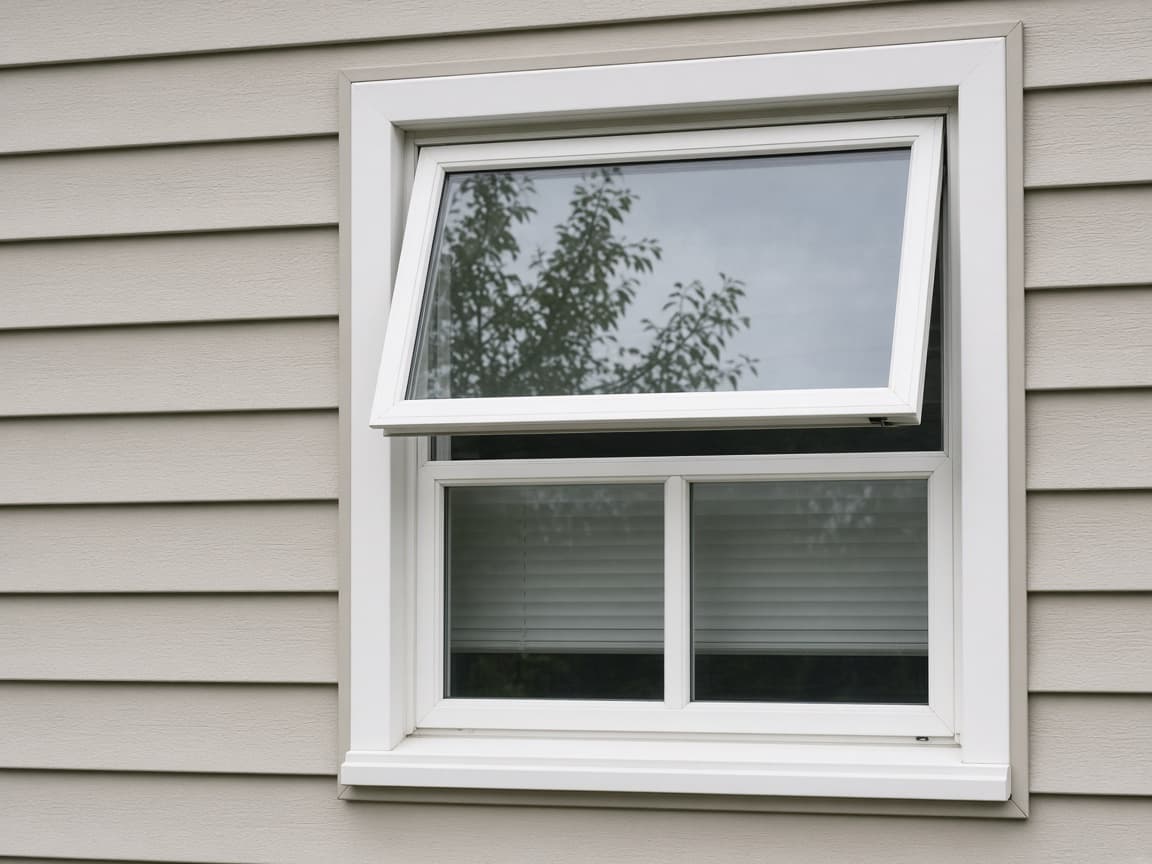
Awning
Hinged at the top, so it can sit open in a light rain. Often used over a kitchen counter, in a bathroom, or high on a basement wall.
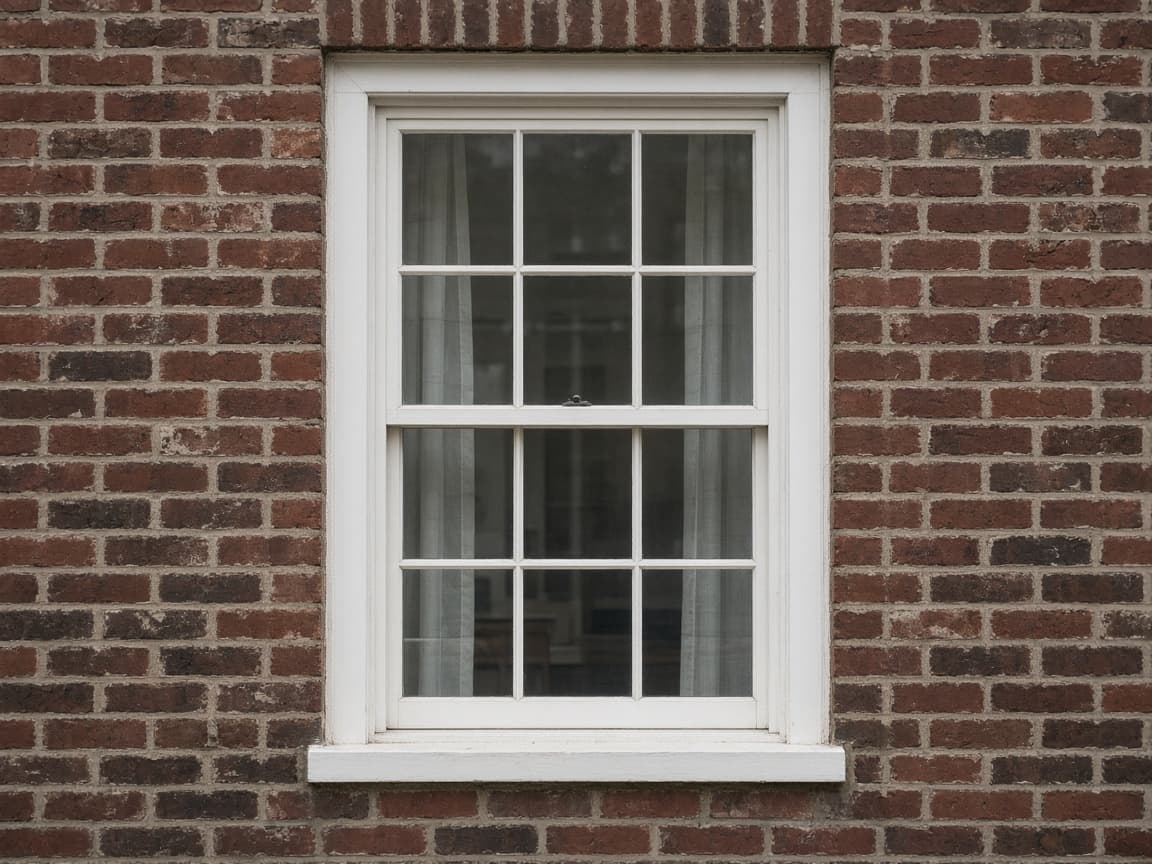
Double-hung
Both sashes slide. Familiar on older brick houses, and easier to wash from inside than a window you have to reach from a ladder.
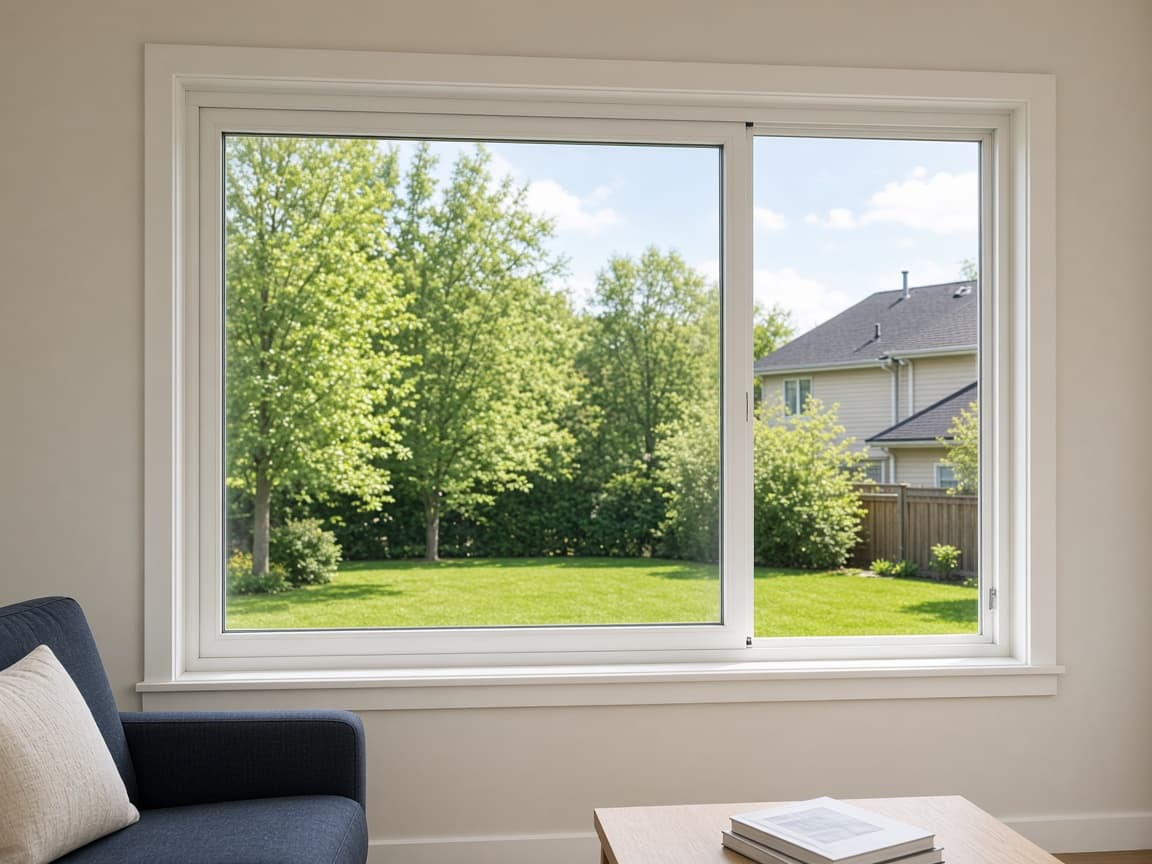
Slider
A wide opening that moves sideways. Useful in family rooms and along the back of the house, where a tall crank window would get in the way.
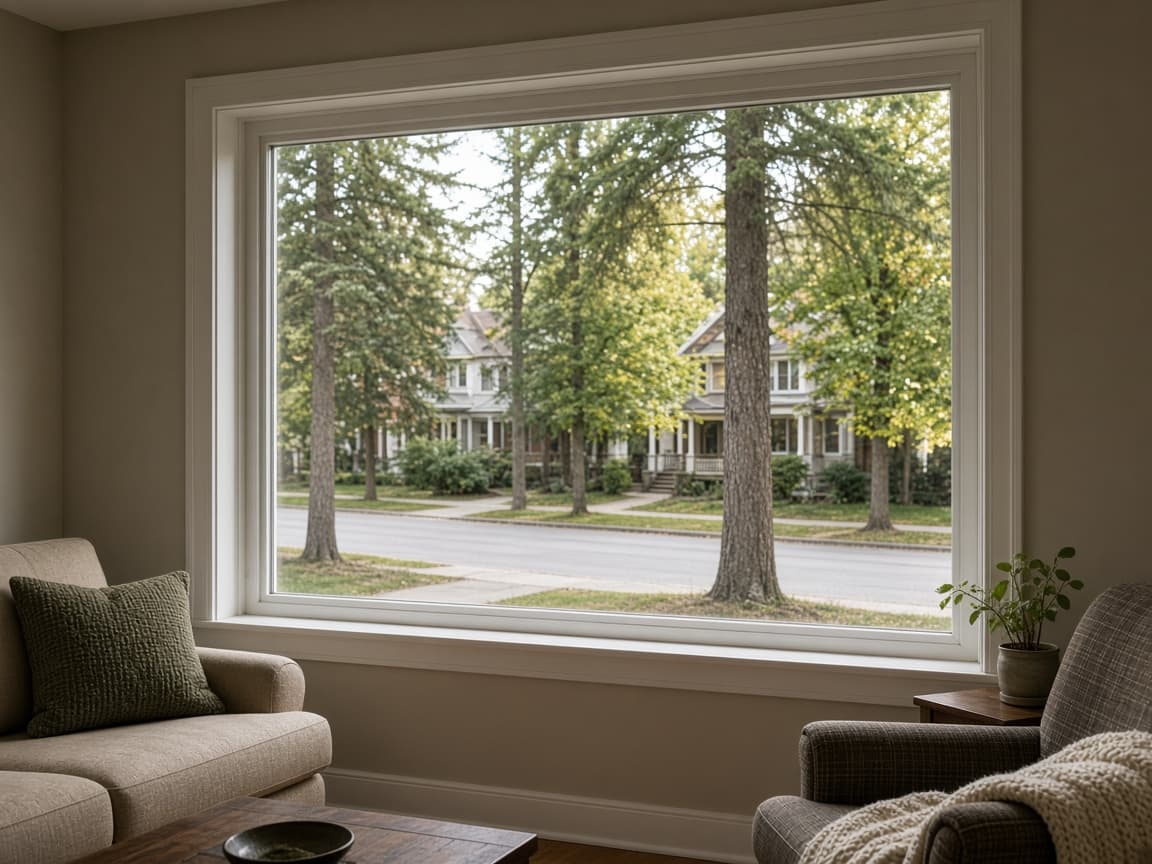
Picture
Fixed glass. No sash to operate, just light and a view. We usually pair it with an operating window beside it so the room can still vent.
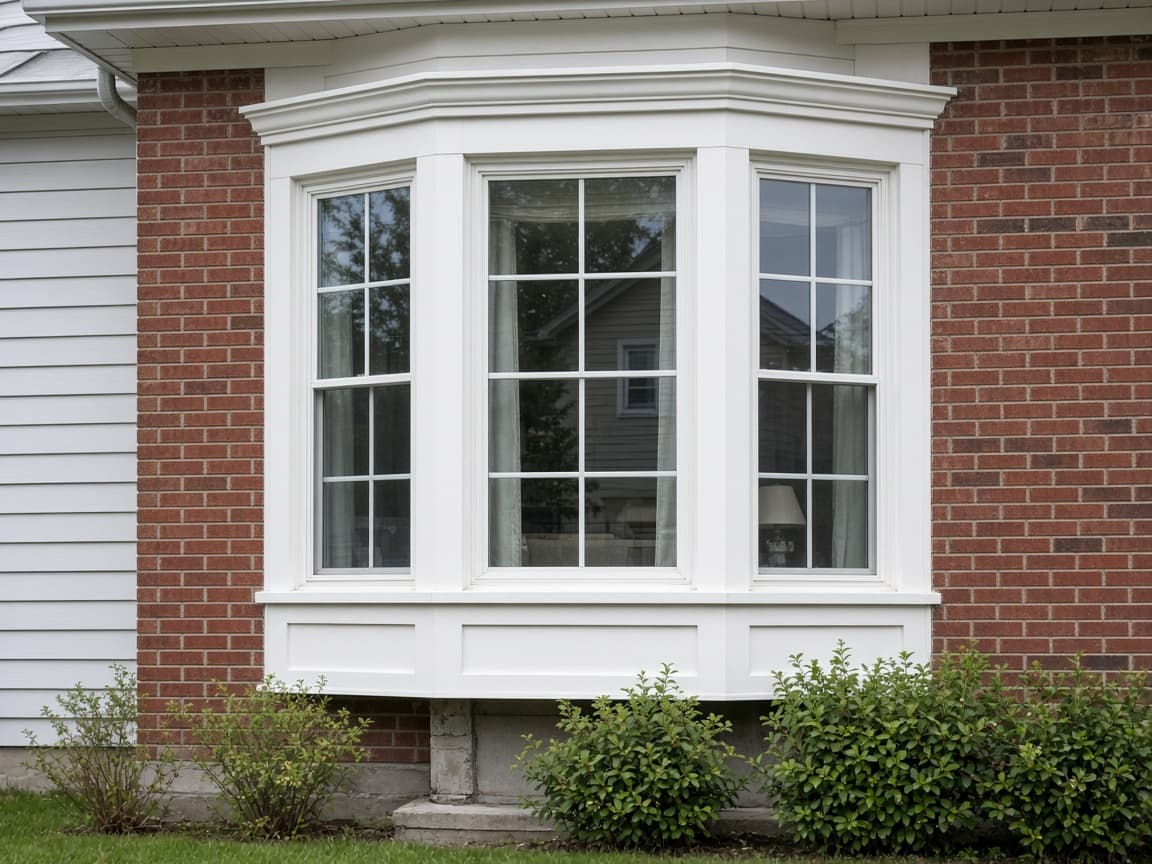
Bay
Three windows that project from the wall. Worth doing when the house already has a bay, or when a room needs more glass than a flat opening allows.
Installation
The method depends on the frame that is already there. We decide this at the house, not from a photo.
When the old frame is solid and square
The new window sits inside the existing frame. Interior casing and exterior trim can stay. Less dust, and the opening does not change size. We do not use this if the wood is soft or the frame is out of square.
When the frame itself has failed
The old frame comes out to the rough opening. New insulation and flashing go in with the window. This is the job when the wood is rotten, the unit leaks at the frame, or the size needs to change.
On a masonry wall
A full-frame replacement finished with brickmould so the window meets the brick cleanly. Typical on bungalows and older two-storeys where the exterior is brick rather than siding.
What gets specified
Most replacements we install are vinyl, with a dual-pane sealed unit. Vinyl does not need painting and it holds up through a freeze-thaw winter. If a front elevation or a particular room needs something else, that is part of the conversation before the quote is written.
Low-E glass and argon fill come up when a wall takes hard sun, the room sits over a cold space, or the current glass ices up in January. The exact glass is named on the quote. We do not advertise a performance number until that unit is specified.
A bedroom that needs to vent is not treated like a pane over the stairs.
None, or a pattern that matches the rest of the house. Colonial on a 1950s brick front, plain glass on a later addition.
White is the usual finish. An exterior colour is specified when the siding or the brick calls for it.
Screens, locks, and cranks are included in the scope so they are not an afterthought on install day.
Process
We look at the frame, the trim, and how the window is used. A bedroom with an egress requirement is measured differently than a fixed pane over a sink.
Style, installation method, glass, and colour are on the quote before anything is ordered. You can see what is included.
Windows are built to the measured openings. We book a day and tell you which rooms will be worked on.
Each opening is closed as we go. At the end we operate every sash with you and note anything that still needs attention.
Questions
Trust
A replacement window stays in the wall for a long time. You should know who is doing the work, and that they are still in the Niagara Region after the job is finished.
Windows, doors, and restoration in houses across the region, not a crew brought in for the week.
Insured for the residential work we do on your home.
Openings are measured on site, then the windows are ordered to those sizes.
The manufacturer warranty and what we stand behind on the installation are on the quote.
Energy performance
Niagara winters are the test. The replacement windows we supply include ENERGY STAR certified models rated for Climate Zone 2, the zone used for homes in southern Ontario.
That rating covers the whole window: frame, glass, and spacer. We name the certified model on the quote. If a room does not need that package, we say so instead of adding it anyway.
The performance level used for this part of Ontario, including the Niagara Region.
The frame, glass, and spacer are tested together. A coating on the glass alone is not the same thing.
You see the certified product on the quote, not a generic efficiency claim after the fact.
Tell us which rooms are bothering you. We will come out, check the frames, and send a quote that names the windows and how they will be installed.
If spreading the cost out would help, ask about financing when we review the quote. See financing